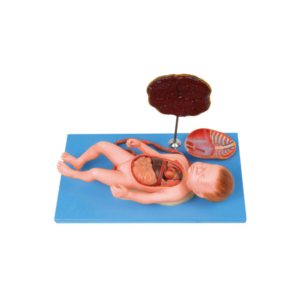
One piece fetal baby with palpable fontanelles, spine, shoulders, elbows, and knees
Fetal baby may be placed in normal, breech, or transverse position
Fetal baby cradled between two “cushions”
Cushions may be inflated independently of the other; inflation of the lower cushion raises the fetus to desired position; inflation of the upper cushion creates a firm abdomen as in the ninth month of pregnancy
The Palpation Module is designed to be used with the Advanced Childbirth Simulator.
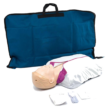
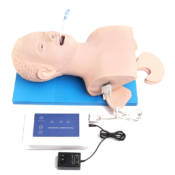
The Difficult Airway Management Simulator offers a realistic airway management training with 24 various difficulty levels including 3 different mouth openings, 2 neck flexibility options, 2 positions for the vocal codes and an inflatable tongue.
Training Skills:
Airway opening techniques (head tilt, jaw thrust)
Bag-Valve-Mask ventilation
Pre intubation airway assessment
"Sniffing position"
Pressurization of external larynx to improve the laryngeal view
Intraoral/intranasal intubation
Use of oropharyngeal airway (OPA)
Use of nasopharyngeal airway (NPA)
Use of laryngeal mask airway
Use of video laryngeal scope
Use of tracheal intubation scope
Confirmation of successful ventilation by thoracic and abdominal movement
Feedbacks on incorrect procedures including esophagus intubation and unilateral intubation
Securing the tube in place with tapes or Thomas endotracheal tube holder
Training Model Includes:
1 manikin
3 upper incisions
1 lubricant
1 50ml syringe
Size: 27.6 x 15.4 x 9.9 in
Demonstrate the whole process of delivery.
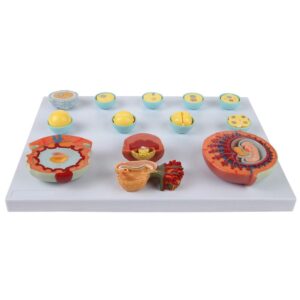
Demonstrate the fetus, umbilical cord and placenta of vacuum-assisted delivery, flexible fetal joint and multiple normal and abnormal positions of fetal delivery can be shown.
Can practice and master the comprehensive skills of normal labor, abnormal labor (dystocia), midwifery, and perineum protection.
Available Training of multiple pregnancies (twin pregnancy).
Component: A (Matrix for delivery Demonstration)* El (Fetus for Demonstration).
The model basing on the mechanism of normal labor shows the cardinal movements of engagement.
Descent-flection-internal rotation of the head-extension-retitution-external rotation of the head-internal rotation of the shoulders at accouchement.
Suitable for teaching the mechanism of normal labor in medical colleges and nursing schools.
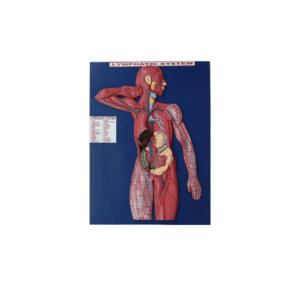
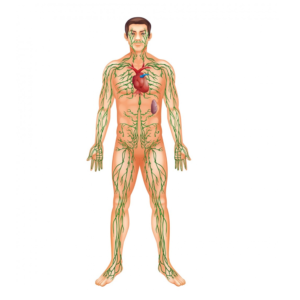
Lymphatic system model showing the different function of lymphatic system.
Relief model, approx. 2/3 natural size.
Model in one piece.
On a base plate.
Height: 84 cm., width: 54 cm., depth: 12 cm., weight: 10 kg
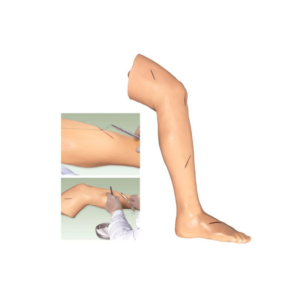
Suturing Simulators provide a realistic way for students to learn good surgical techniques.
The simulators provide students with a variety of repair experiences without the constraint of time and concern for safety, which are factors with a live patient.
The simulators can be used by the student in a learning lab with an instructor or by the student individually in the clinical setting just prior to a patient experience.
They are also useful as homework teaching aids that can be signed out at night and returned the next day.
In addition to being portable, the lifelike texture allows the learner to develop a “feel” for instrument handling, tension on suture, and the advantages of one method of tying knots over another.
Includes one of each simulator:
Midline Suture Simulator
Left Mediolateral Suture Simulator
Right Mediolateral Suture Simulator
Each simulator comes with an instruction booklet and is individually boxed.
Placenta, umbilical cord, abdominal cover, lungs, heart, thymus, diaphragm, liver, stomach, intestine, body.
Shows a female fetus at the end the pregnancy with placenta and umbilical cord.
Made of Advanced PVC.
Reviews
There are no reviews yet.