Students can explore how a simple electric motor works by doing a series of investigations.
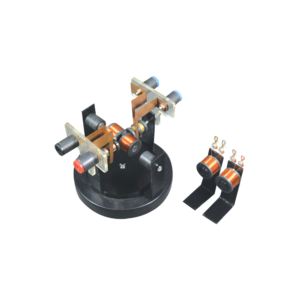
This St. Louis motor can be adjusted so students can study the effect of voltage and position of the brushes on the commutator.
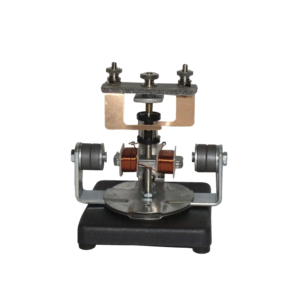
The motor consists of a two pole DC armature. The brush holder, with two heavy binding post terminals, can be rotated for experiments.
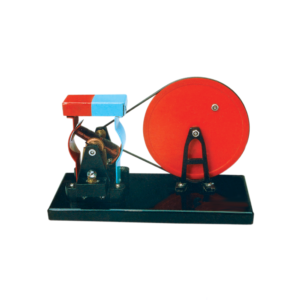
The permanent bar magnets, supported by clamps, can be adjusted to the desired location.
This apparatus requires 4 D cell batteries with holder (not included) or a power supply and two connecting leads (not included).
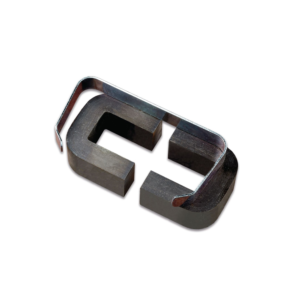
Wound on rectangular bobbin, for use with 220 – 240 V AC mains with detachable mains connector with moulded plug, A 4 mm socket is provided for earthing.
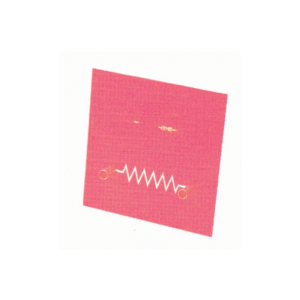
Designed to demonstrate to implement and applications of electrical, electronic devices and simple circuits. These modules are fitted with 4 mm sockets.
Components are directly mounted on printed PCB with diagram.Various modules are available as following Resistor
LDR
LED
Push Switch
Motor
Reed Relay
Reed Switch
Relay Nand Gate
Buzzer
Thermistor
Lamp Holder
Single Pole Double Throw Switch
Electromagnet
Power Transistor
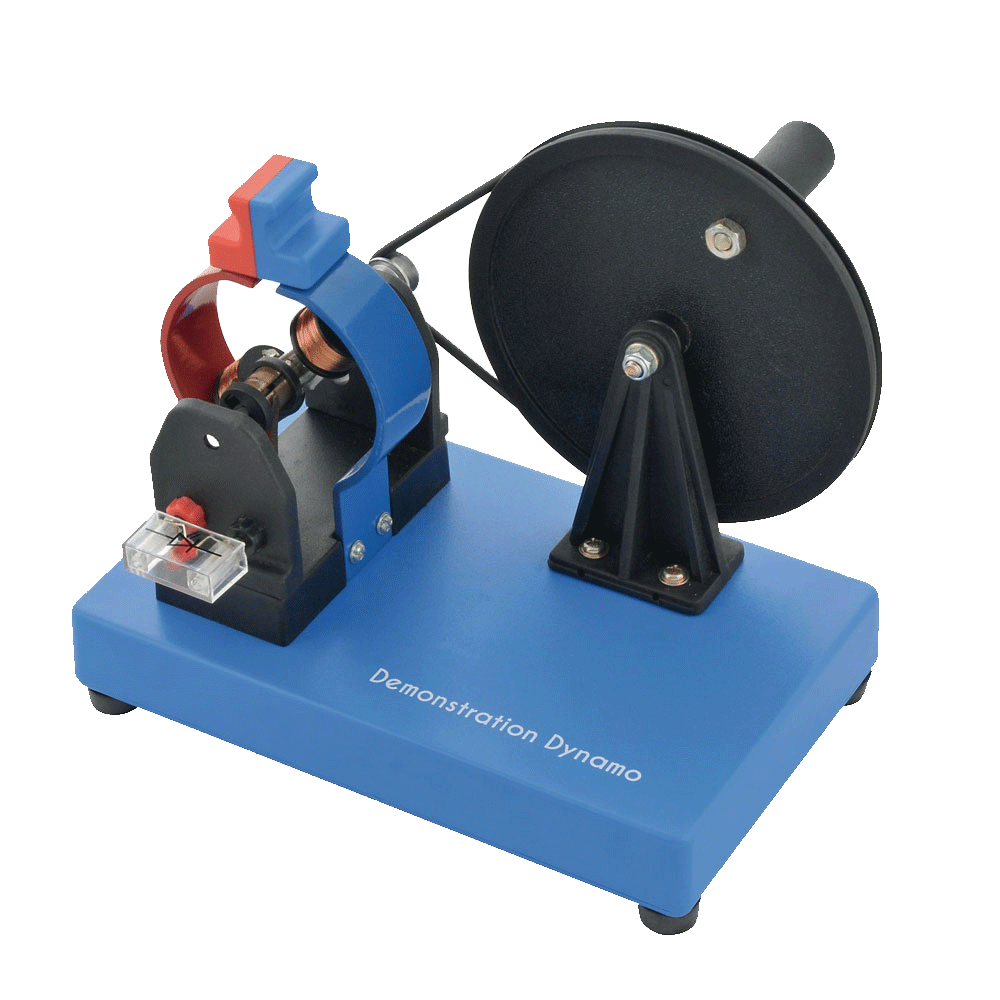
The motor consists of a two pole armature mounted between the ends of two bar magnets.
The armature has a two section commutator and a pair of slip-rings on its shaft and is so constructed that the wire cannot slip off the iron core.
The upper bearing and brushes for the commutator are mounted on a strong upright.
Separate brushes are provided for the commutator and for slip rings and each are connected to a terminal.
The magnets are held in position by thumb screws.
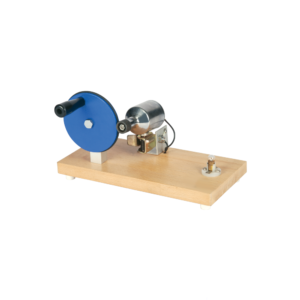
The dynamo model is mounted on a base with a driving wheel.
Output is through 4 mm sockets and a low voltage bulb is also provided as a simple output indicator.




















Reviews
There are no reviews yet.